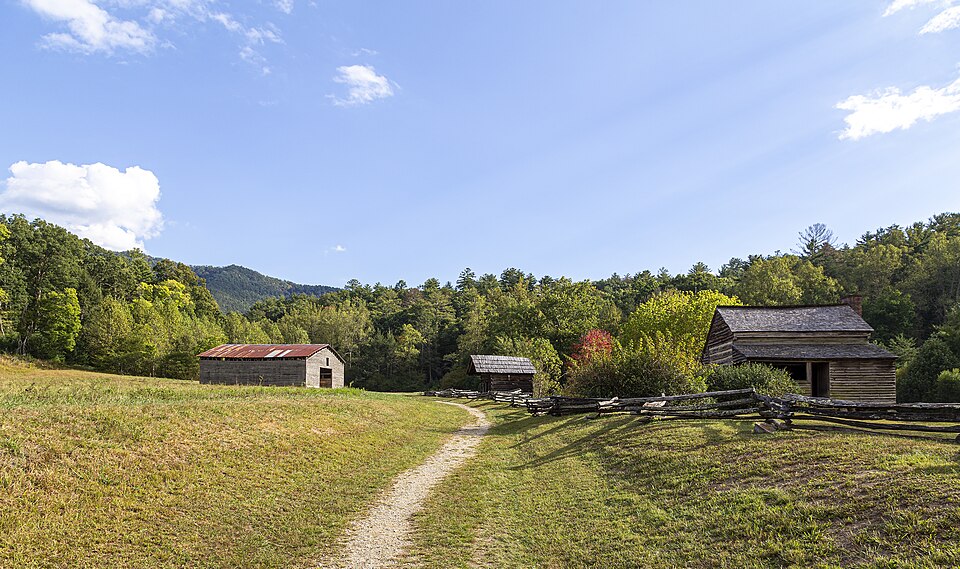
Hikers walking the Appalachian Trail along the southern crest of Blount County—past Thunderhead Mountain, Spence Field, and Ekaneetlee Gap—look directly down into the deep, forested watersheds of Hazel Creek and Eagle Creek dropping toward Fontana Lake on the southern border of Great Smoky Mountains National Park. Today those valleys are remote backcountry wilderness. Yet during the first half of the twentieth century, that exact mountain slope hosted deep industrial mines that produced thousands of tons of high-grade copper ore containing significant byproduct gold and silver.
The Adams Mine (Hazel Creek) and the Fontana Mine (Eagle Creek)
Much like the massive sulfide deposits of the Ducktown Copper Basin in Polk County, the Late Proterozoic rocks along the southern flank of the Smokies hosted rich lenses of chalcopyrite, pyrrhotite, and sphalerite:
- The Adams Mine (Everett Mine) on Hazel Creek: Discovered in the late 1800s and worked intermittently alongside W.M. Ritter Lumber Company rail lines along Sugar Fork of Hazel Creek, miners drove adits and shafts into the mountainside to extract sulfide ore.
- The Fontana Copper Mine (1926–1944): Opened along Eagle Creek just south of the Blount/Swain County state-line ridge, the Fontana Mine became one of the richest high-grade copper mines in eastern North America, reaching depths of more than 1,800 feet along an inclined shaft. Operated by the Fontana Mining Corporation (a subsidiary of the Aluminum Company of America, before being leased to Tennessee Copper Company), its raw sulfide ore was shipped by rail directly to the smelters at Copperhill/Ducktown, Tennessee, where copper, sulfuric acid, and recoverable gold and silver anode slimes were refined until the rising waters of TVA's Fontana Dam reservoir closed the rail spur in 1944.
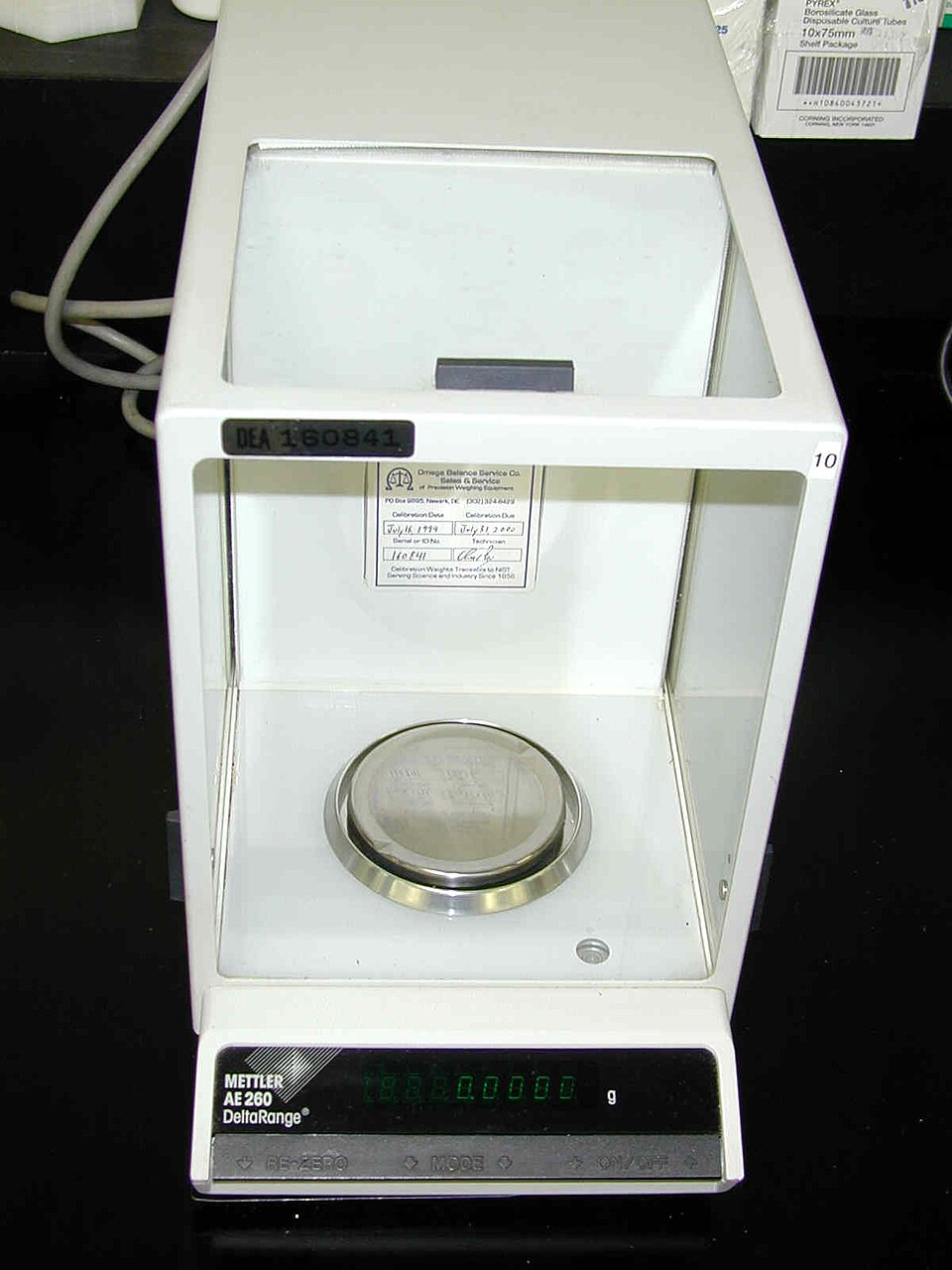
Know exactly what your jewelry and estate pieces are worth before visiting any buyer. Sort your items at home using a JSP 10K–22K Gold & Silver Acid Testing Kit, inspect worn stamps with a 10x Hastings Triplet Jeweler's Loupe, and weigh in true grams and troy ounces on a 0.01g Digital Jeweler Scale.
Protecting Park History vs. Appraising Private Collections
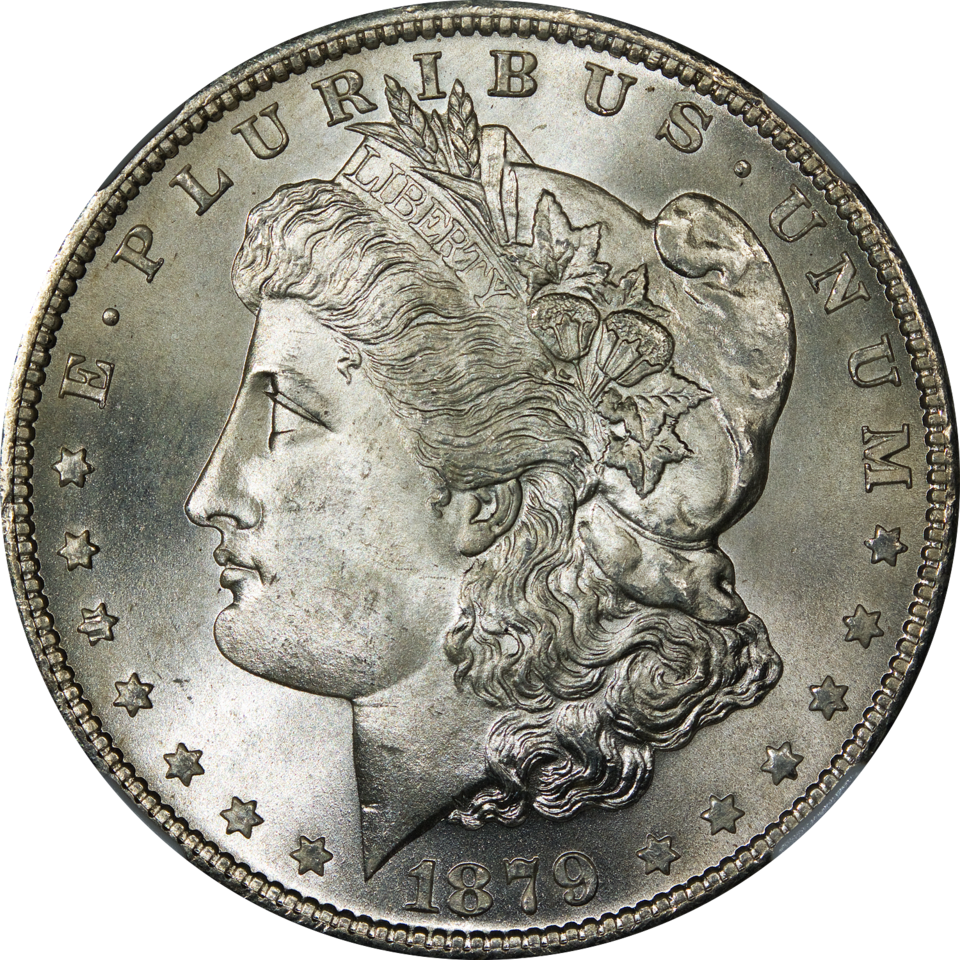
While the old mine adits along Hazel Creek and Eagle Creek are now protected historic ruins inside Great Smoky Mountains National Park (where all mineral and artifact collecting is strictly prohibited by federal law), historical stock certificates, miners' scrip, and turn-of-the-century gold and silver coinage from the logging and mining boom towns of Proctor, Fontana, and Townsend still survive in Blount County family collections. Read more in our Smoky Mountains Gold History archive.