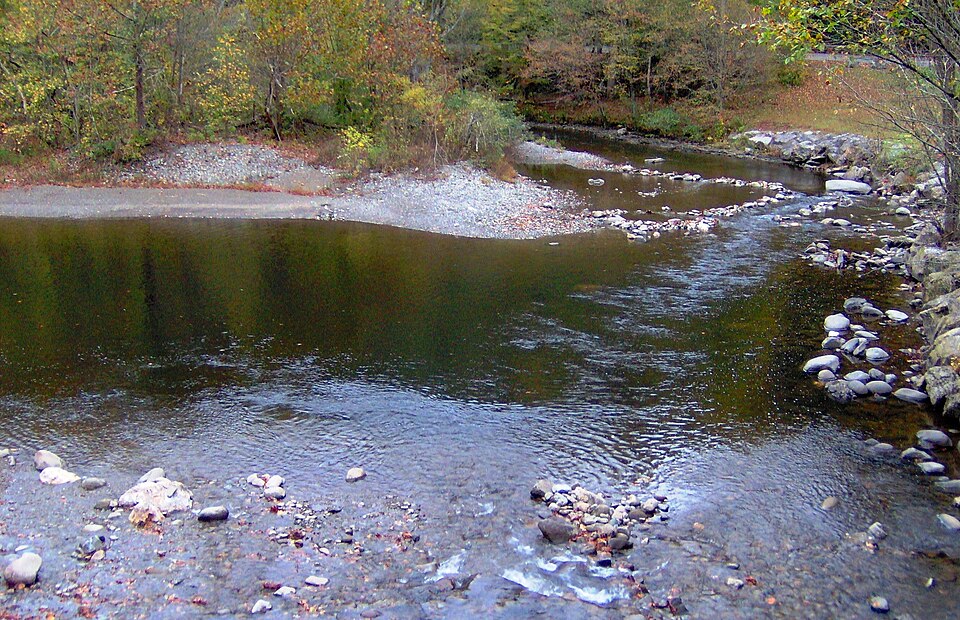
Rising high on the northern slopes of Clingmans Dome (Kuwohi) in the Great Smoky Mountains, the Little River carves its way through Elkmont, the Townsend "Y", Tuckaleechee Cove, and the Walland gap at Chilhowee Mountain before flowing past Maryville and Rockford to join the Tennessee River. For more than two centuries, the Little River corridor has been the artery connecting Blount County's mountain coves with the valley towns of Maryville and Alcoa.
Cades Cove Settlers, Forge Creek, and Smoky Mountain Mineral Lore
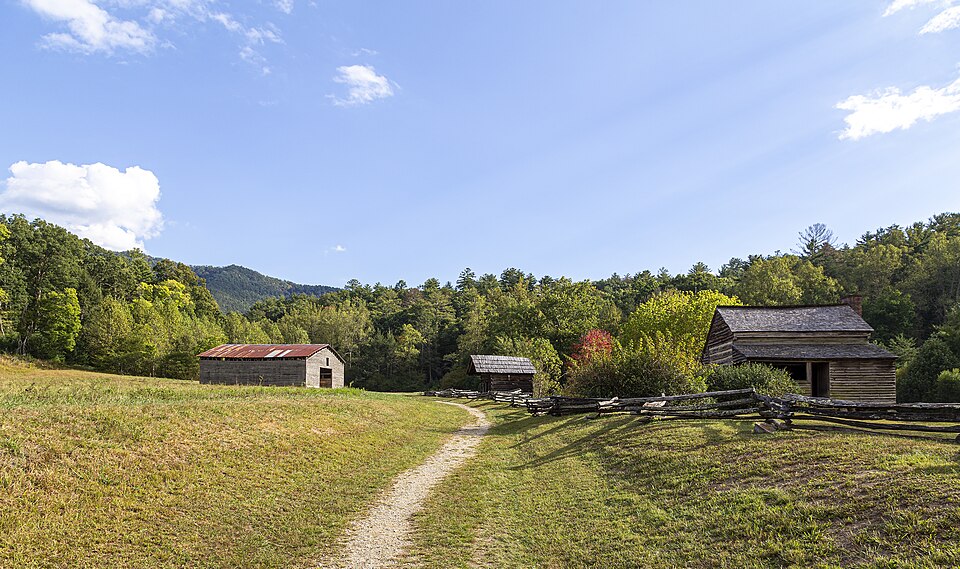
Beginning with John Oliver's permanent settlement in Cades Cove in 1818, early Blount County mountain families searched the surrounding ridges for iron, lead, copper, silver, and gold. Around 1827, Daniel Davis Foute established an iron bloomery forge along Forge Creek in Cades Cove, smelting local limonite iron ore to manufacture tools and wagon hardware before closing in the 1850s due to low ore grade and rugged transport costs.
Generations of local folklore in Townsend, Walland, and Cades Cove also spoke of hidden Cherokee or Spanish "lost silver mines" near Rich Mountain and Thunderhead Mountain. Modern geological mapping by the U.S. Geological Survey (USGS) explains both the folklore and the reality: the northern Blount County slopes of the Smokies are underlain primarily by Precambrian Metcalf Phyllite, Elkmont Sandstone, and Cades Sandstone of the Ocoee Supergroup, overridden along the Great Smoky Fault by Ordovician Knox Dolomite and limestone inside Cades Cove and Tuckaleechee Cove. While small quartz veins in the metamorphic rock contain trace pyrite, galena (lead sulfide with minor silver content), and occasional microscopic placer gold flakes, no rich native silver lodes existed in Cades Cove.
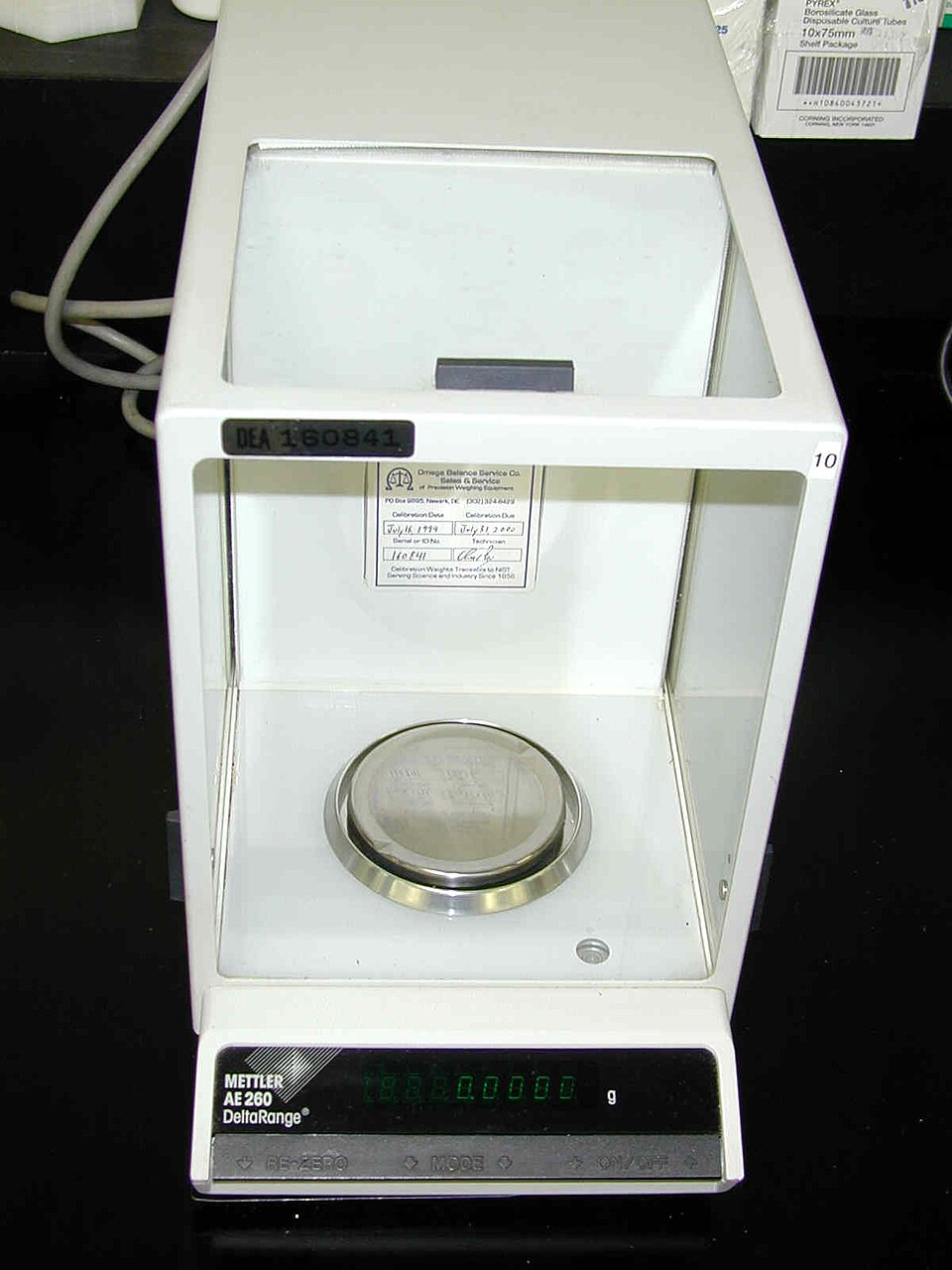
Know exactly what your jewelry and estate pieces are worth before visiting any buyer. Sort your items at home using a JSP 10K–22K Gold & Silver Acid Testing Kit, inspect worn stamps with a 10x Hastings Triplet Jeweler's Loupe, and weigh in true grams and troy ounces on a 0.01g Digital Jeweler Scale.
W.B. Townsend and the Little River Lumber Company Boom (1901–1939)
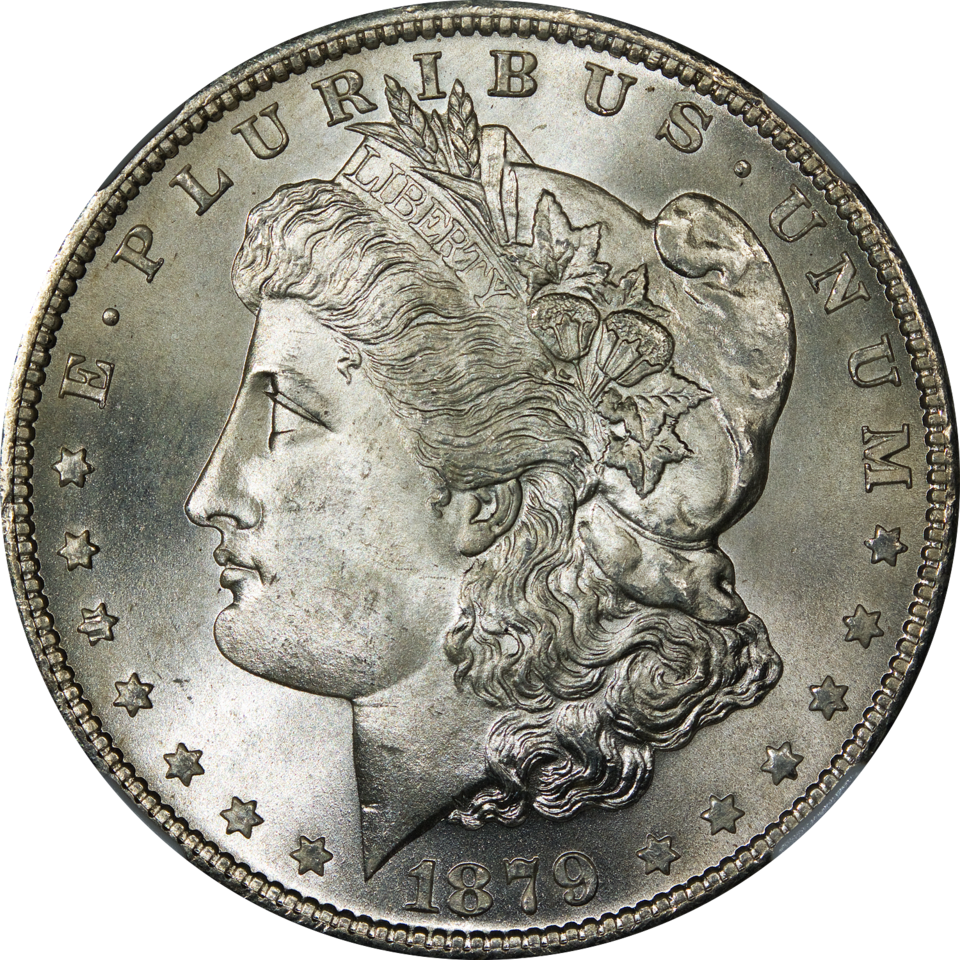
The true economic boom along the Little River arrived in 1901, when Pennsylvania industrialist Colonel Wilson B. Townsend chartered the Little River Lumber Company and the Little River Railroad. Building a giant band sawmill and company town at Townsend in Tuckaleechee Cove, the railroad laid tracks through the Little River Gorge to Elkmont, employing hundreds of Blount County workers and circulating substantial hard payroll currency—including pre-1933 U.S. gold coins and silver dollars—throughout Townsend, Walland, and Maryville until logging ceased with the establishment of Great Smoky Mountains National Park in the 1930s.
Today, residents of Townsend, Walland, and the US-321 Lamar Alexander Parkway corridor rely on Maryville Gold and East Tennessee Gold Buyers for honest, live-spot appraisals of inherited coins, jewelry, and sterling silver.